
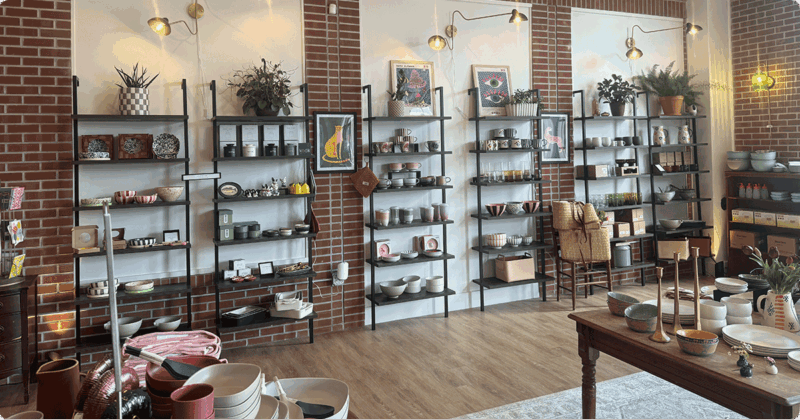
Participants in our downtown development programs benefit from training and resources designed to assist a variety of audiences with a stake in revitalization, including businesses, property owners, nonprofit organizations, and municipalities. One popular long-running assistance program provides training and individualized assistance to businesses in interior and storefront merchandising.
Merchandising is an important element of small business success. For retail businesses, it is imperative, since customers are highly motivated by psychological factors and the layout and appearance of a store can impact not just how customers move through the space, but whether they engage with products and ultimately make a purchase. Service businesses can also benefit from these techniques, as the storefront, reception desk, and lobby area are the first things customers see and will impact how comfortable they feel in the space and color the perspective of the entire visit.
Key merchandising elements
There are a few key considerations for business merchandising:
- Signage and displays should attract attention and engage the customer. Elements should be clean, clear, and well organized, but also offer opportunities to learn and engage with your product, which creates a memorable experience.
- Signage, displays, desks, and décor should reflect the business brand and story. This includes obvious elements such as logos, fonts, and colors, but also intangible items that reinforce your brand personality—quirky, classy, sophisticated, friendly, etc.
- Window displays are your chance to create a good first impression. A good window display is worth 1,000 words. Start with a clean window and be sure that your door (or adjacent window) includes your logo, a list of offerings, and business hours, ideally using a light-colored vinyl. Rather than trying to display everything that you offer, create a visual display featuring just a few key elements that will catch the eye of pedestrians and drivers passing by. Be sure that the window is lit at night, which can introduce your brand to a whole new audience. Windows should be changed out seasonally, since new things will catch the attention of passersby and remind them of your business. There are various design principles that can be applied to create compelling visual displays, and many businesses have success engaging an employee or local artist with a good eye to create their installations. If all else fails, follow a similar business from another state on social media that excels at merchandising—imitation is the sincerest form of flattery!
Accessories make a difference
When your windows are done, consider whether any storefront accessories are appropriate. Depending on your zoning, you might consider storefront elements such as open flags or planter boxes, or add outdoor merchandising, greenery, or seating. Any of these elements will add color and visual interest, drawing attention to your business and making it appear more welcoming. Since many of these amenities will move indoors when you’re closed, it also makes it clear to visitors when you’re open, encouraging them to stop and visit.
Inside the shop
Once customers are inside, consider their experience. Are the aisles easy to navigate, even with a stroller? Are there tall displays or visible signage enticing them to travel to the back of the store? Having focal point displays within each section of the store gives the customer purpose and direction. Are displays well lit with bulbs that showcase the product? Fluorescent lighting generally washes out color and makes products appear dull. A mix of track lighting, recessed lighting, and accent lighting together create an ambiance while highlighting products. For instance, focus displays should be lit three times brighter than surrounding areas, and lighting should be a consistent neutral color (look for 3000 to 3500 Kelvin bulbs). Be strategic about product placement. Prominent and regularly changing display tables at the front of the store can showcase new and attention-getting products, sale tables at the back of the store will draw customers throughout the space, and displays of impulse buys and accessories near the register can boost average sales totals.
Real-world examples
The following images highlight some of the before and after images from small businesses that recently participated in merchandising visits with a team of designers from Retailworks, Inc. and implemented one or more of the recommendations. The photos highlight how small adjustments to lighting, signage, and layout can completely change the feel of a space.
The American Alchemy, Ripon
Adrienne Rank, owner of The American Alchemy in Ripon, embraced several recommendations from the business visits, improving her storefront and creating focal points at the rear of the shop and the register, encouraging customers to more fully explore the space:
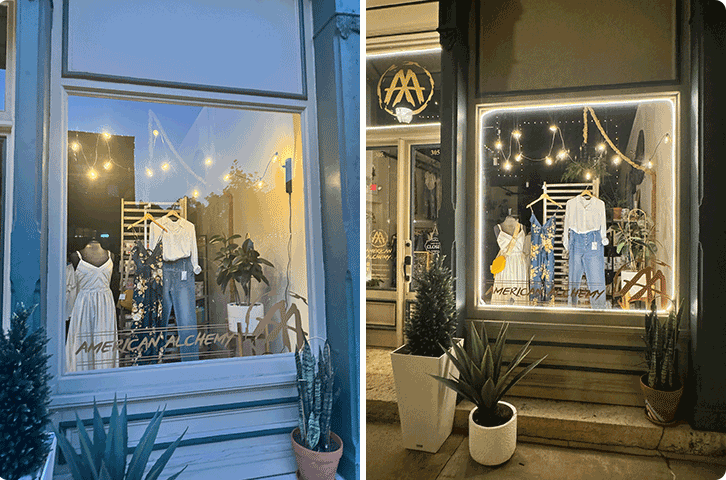
Adding edge lighting on the window display helped draw attention to the window, while string lights illuminate the merchandise in the evening.
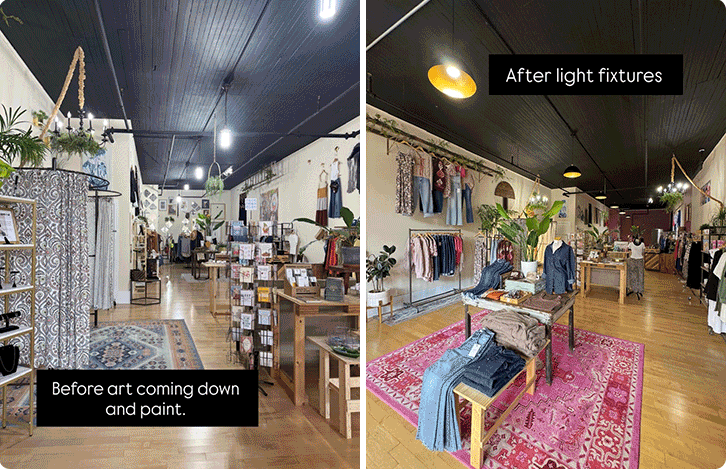
Originally, the white rear wall made the long space appear intimidating. Adding a pink accent wall and a matching pink entry rug tie the space together, while additional track lighting along the sides of the room draws the customer throughout the space.
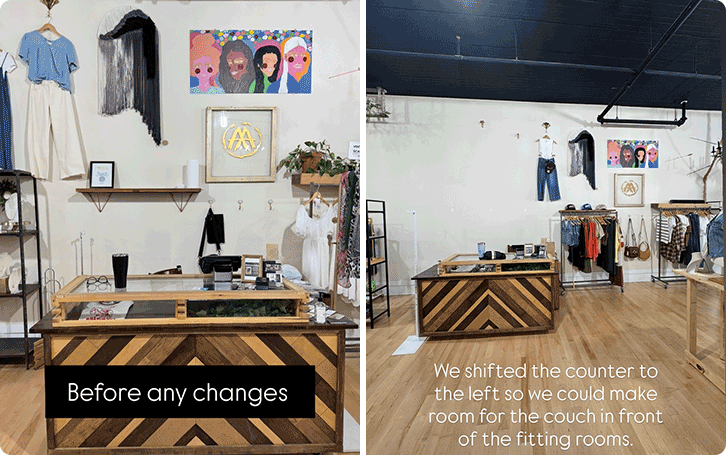
The register area blended in with the rest of the space and appeared cluttered. An accent stripe visually identified the area and highlighted the business logo. New display boxes built into the counter showcase handmade jewelry for an additional sale opportunity.
Art Perspective Gallery, Port Washington
With a location slightly off the main pedestrian corridor, Art Perspective Gallery focused on branding and signage to make it easy for customers to find the store and attract new customers to the space. Improved window signage and exterior merchandising draw attention to the space and clearly communicate what the business sells, while a directional sandwich board catches attention from pedestrians in nearby areas. Inside the space, a new logoed door on the bathroom reinforces the brand and helps orient customers.
“The feedback from our one-on-one session helped us hone a much more cohesive presentation of our products,” said Art Perspective Gallery co-owner Kay Kasun. “As an art gallery, we already have a strong eye for curating larger fine art pieces, but their suggestions helped us better stage our retail areas. We also updated our window displays based on their advice and saw an immediate uptick in foot traffic. Sometimes simple changes make the biggest impact.”
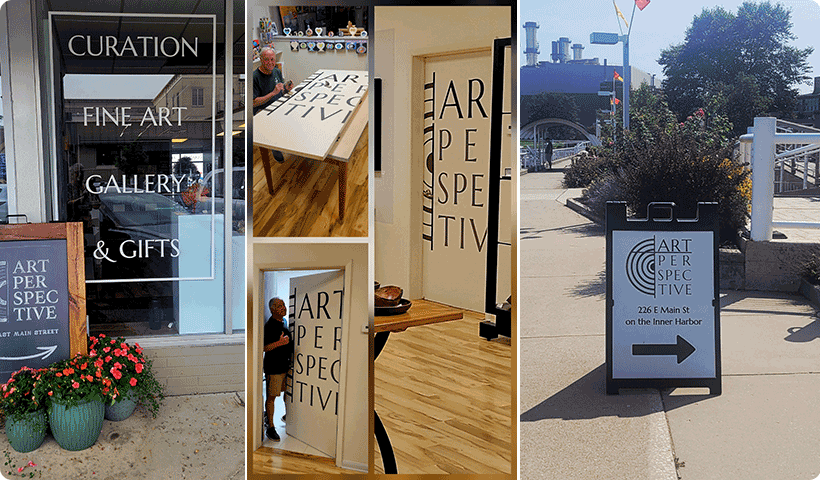
Consistent use of the logo in various locations and different ways creates visual identity and attracts visitors to the business.
Art Metals Studio, Racine
In an example of where lighting makes all the difference, Art Metals Studio made a simple switch of all the bulbs in its light fixtures, installing brighter and cooler-temperature bulbs. The brighter spotlights focus attention on the unique merchandise, while the cooler temperature of light makes metals and precious stones sparkle. Combined, the improvements make the products look more luxurious and enticing, while also making the shopping experience more enjoyable.
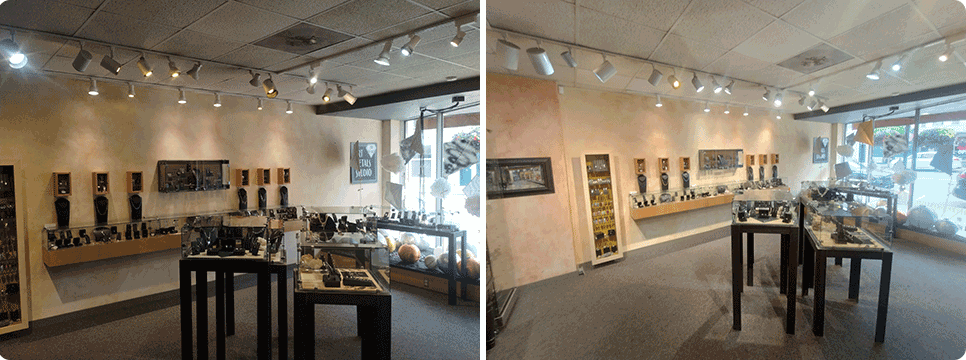
Lighting brightness and color can make a big difference in a space. Some businesses have reported up to 15% more sales from display areas in weeks following the addition of new spotlights illuminating certain products.
Hot Shop Glass, Racine
In an example of less is more, Hot Shop Glass implemented suggestions from the visit to declutter its space while also creating focal point displays. Since the shop features a large number of small and intricate pieces, at first glance it was overwhelming for customers. Grouping objects and creating visually organized displays that feature biographies of the local artists who made the pieces produced an improved shopping experience—and increased sales.
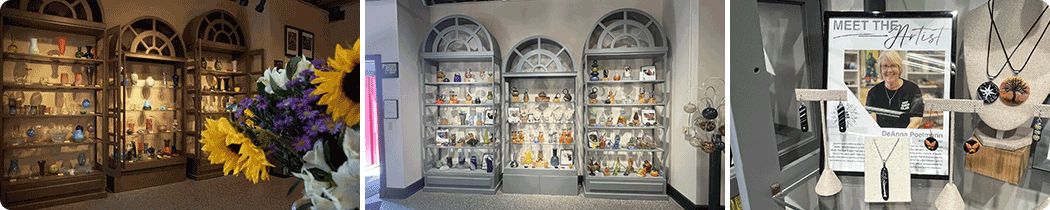
Coordinated displays and improved lighting showcase the unique product offerings more effectively. The addition of product information and artist bios encourage customers to engage with the offerings more fully.
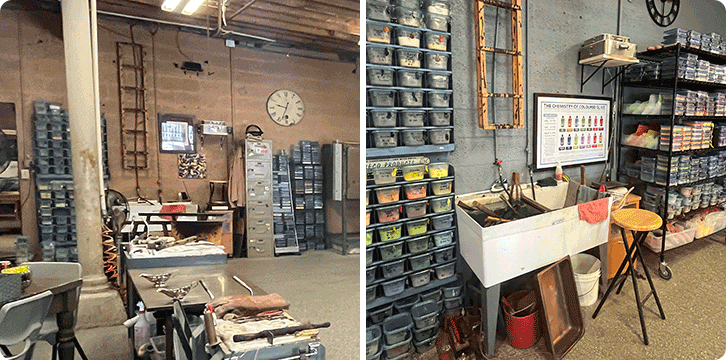
Curated and organized displays and effective signage make the shopping experience more pleasant and allow customers to explore the products more fully.
Related Posts