By Adriana Humbert
WEDC Downtown Development Senior Program Manager
Downtown organizations are doing important work, but many are struggling to explain it in a way that truly resonates.
It’s not for lack of effort. It’s not even a lack of impact.
More often than not, it’s a messaging problem.
After Wisconsin Main Street and WEDC’s recent workshop on branding and storytelling with Ben Muldrow of Arnett Muldrow, one idea kept surfacing again and again: Many Main Street organizations are trying to make one brand do too much. In trying to represent everything—events, economic development, the organization itself, and the district—downtowns end up creating messaging that feels broad, generic, and ultimately forgettable.
The issue isn’t that branding doesn’t matter. It’s that branding is being applied in the wrong way.
The problem with ‘one brand fits all’
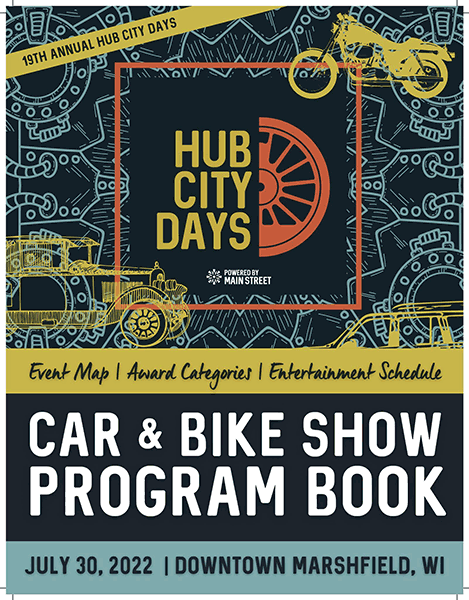
For years, the default approach has been to unify everything under a single identity. One logo. One voice. One message that attempts to capture the entire experience of downtown.
On the surface, that sounds efficient. In practice, it creates confusion.
Downtown organizations are not doing just one thing—they’re doing many things for many different people. When all of that gets compressed into a single message, it becomes difficult for anyone to clearly understand the value.
A more effective way to think about this is to separate the work into two distinct categories: marketing and advocacy.
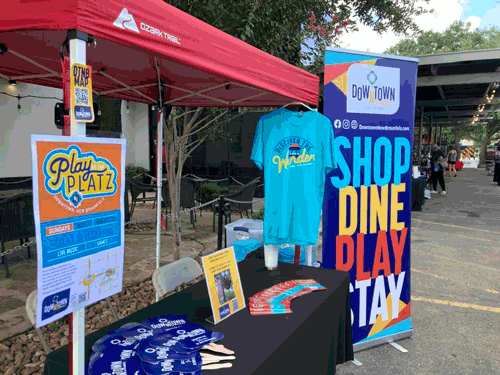
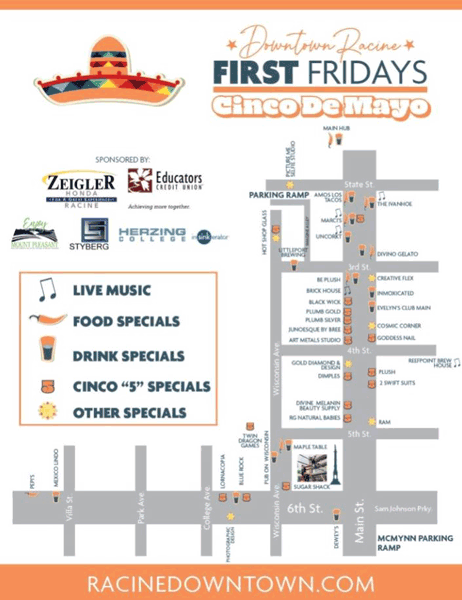
Marketing is what most people see. It’s the events, the promotions, the social media posts, and the storytelling that bring people downtown. It’s outward-facing and experience-driven.
Advocacy, on the other hand, operates more behind the scenes. It’s the work of building relationships with donors, supporting business owners, collaborating with local government, and ensuring the long-term sustainability of the district.
Both are essential. But they are not the same, and they shouldn’t be communicated the same way.
Why ‘why’ matters more than ‘what’
Another common challenge is how organizations describe themselves.
If you ask most downtown groups what they do, the answers tend to sound familiar: host events, support local businesses, promote downtown. All of those things are true, but they’re also surface level.
They describe activity, not meaning.
To take a concept Simon Sinek has popularized: People don’t connect with what you do nearly as much as they connect with why you do it. That distinction matters.
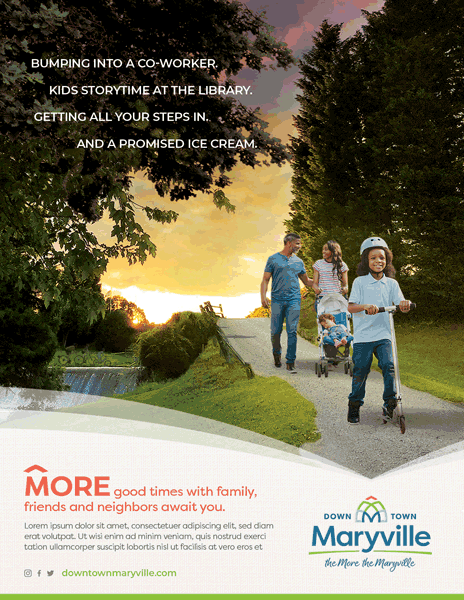
Saying “We host events to drive foot traffic” explains the function. But saying “We believe in helping people fall in love with downtown” speaks to something deeper. It taps into emotion, memory, and identity—the things that actually motivate people to engage.
For many organizations, the challenge isn’t that they don’t have a compelling “why.” It’s that they haven’t taken the time to clearly define and communicate it.
Understanding who you’re talking to
One of the most useful frameworks from the workshop was deceptively simple: You are not speaking to one audience; you are speaking to five.
Each of these groups interacts with the downtown organization differently, and each brings different expectations.
Donors, for example, are often approached as supporters—but they tend to think like investors. They want to understand impact, return, and long-term value. Messaging that focuses only on need or goodwill can fall flat if it doesn’t also demonstrate results.
Business and property owners sit in a different position entirely. They are taking on real financial risk every day, investing their time, energy, and resources into the district. Too often, organizations assume these stakeholders should naturally participate or engage more. A more productive approach is to ask: How are we actively helping them succeed?
The public, meanwhile, is typically the most visible audience. Members of the public experience Main Street through events, promotions, and everyday visits. What they’re looking for isn’t necessarily something entirely unique; it’s something that feels authentic, welcoming, and worth returning to. The goal isn’t to create a place that exists nowhere else, but one that feels like it belongs.
Volunteers bring yet another perspective. They are not just extra hands—they are the people who power the work. They are motivated by purpose, connection, and the opportunity to contribute to something meaningful. Organizations that respect volunteers’ time make it easy to get involved and consistently recognize volunteers’ efforts tend to build stronger, more sustainable engagement.
Then there’s government, often one of the most important, and most complex, audiences. Elected officials and staff are focused on outcomes such as job creation, tax base growth, and efficient use of resources. Relationships here don’t develop overnight. They require consistent communication, demonstrated progress, and trust built well before support is needed.
Trying to speak to all of these audiences with one message is where many organizations get stuck.
The trap of talking to ourselves
There’s another subtle but important challenge: It’s easy to create messaging that makes perfect sense internally but doesn’t land externally.
Board members, staff, and volunteers are deeply immersed in the work. They understand the language, the acronyms, the goals. But the people we’re trying to reach don’t always share that context.
When messaging is built from the inside out, it often reflects how we see ourselves, not how others experience us.
Effective communication requires flipping that perspective. It means meeting people where they are, using language that resonates with them, and focusing on what matters most from their point of view.
Branding is bigger than design
When people hear the word “branding,” the conversation often turns quickly to logos, colors, and fonts.
Those elements matter, but they are only part of the picture.
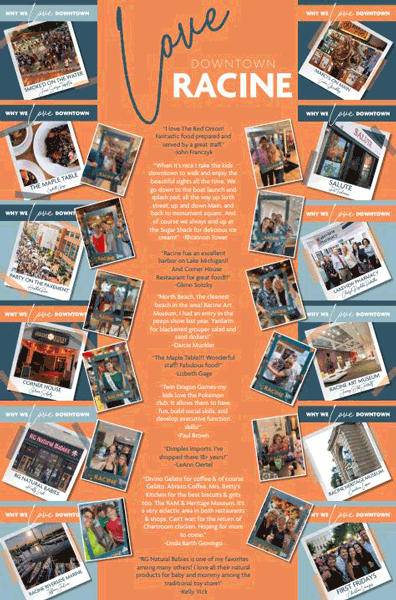
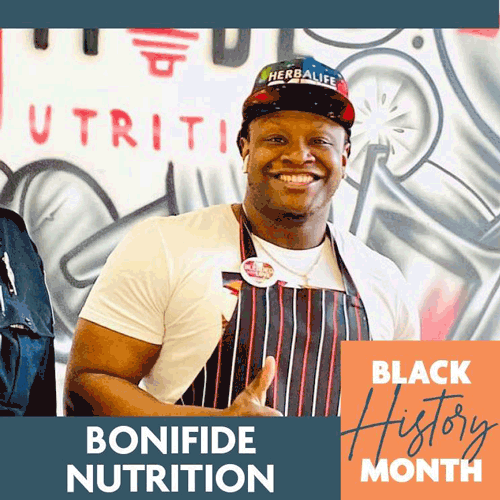
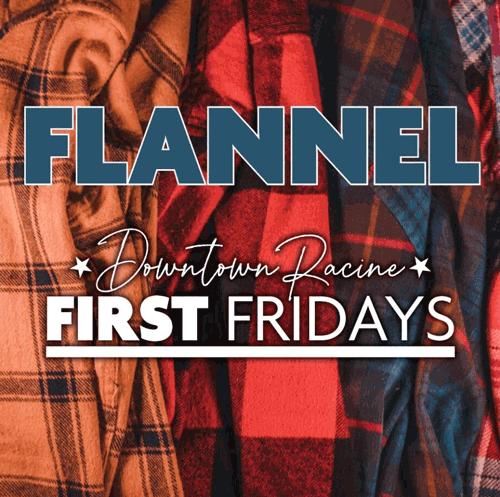
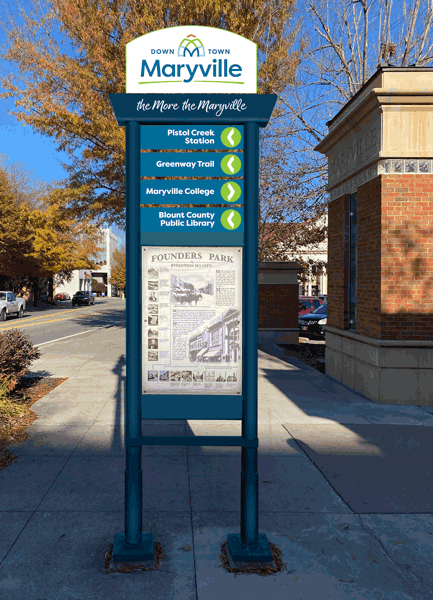
Branding, at its core, is about identity. It’s about how a community understands itself and how that identity is shared with others. As described in the workshop, it’s the discovery, preservation, and presentation of a community’s personality.
That personality shows up in stories, in experiences, in the way people talk about a place, and in how visitors perceive it. A logo can support that, but it can’t replace it.
Where branding efforts go off track
Two common missteps tend to derail branding efforts.
The first is what was referred to as the “khaki rule”—design by committee. When too many voices shape the final outcome, the result often becomes neutral and safe. It may satisfy everyone, but it rarely excites anyone.
The second is the idea of design contests or crowdsourcing. While these approaches can generate options quickly, they often lack the strategic foundation needed to build a meaningful brand. Without that foundation, even a visually appealing result can fall short.
Strong branding doesn’t come from compromise or chance. It comes from clarity and intention.
What actually builds a strong community brand
A strong community brand isn’t created overnight, and it isn’t built on visuals alone. It emerges when several elements align.
There needs to be a clear sense of identity, an understanding of what the community stands for and what makes it distinctive. That identity should be reflected in a consistent narrative, one that shows up across events, communications, and everyday interactions.
Experience plays a critical role as well. The way a place feels—through its events, its businesses, its spaces—brings the brand to life in a way words alone cannot.
People are at the center of all of this. When residents, volunteers, and stakeholders take pride in their community and actively share its story, the brand becomes something lived, not just promoted.
Over time, these elements shape perception and reputation, both within the community and beyond it.
And when that happens, something shifts.
A place stops being just a location. It becomes somewhere people care about—somewhere they choose to invest in, spend time in, and return to.
Moving from insight to action
For organizations looking to improve how they communicate, the path forward doesn’t require starting from scratch. It begins with a few focused shifts.
First, separate marketing from advocacy. Recognize that different types of work require different messages and be intentional about how each is communicated.
Second, take the time to clearly define your “why.” Not as a slogan, but as a genuine reflection of purpose. This becomes the foundation for everything else.
Third, build messaging with specific audiences in mind. Instead of relying on one general explanation, tailor how you communicate based on who you’re trying to reach and what matters to them.
Finally, make use of simple tools and frameworks. Templates for elevator speeches, messaging guides, and storytelling structures can help create consistency without adding unnecessary complexity.
A final thought
Main Street organizations don’t need more activity. They need clearer communication about the value they already create.
When that clarity is in place, everything else becomes easier. Stakeholders understand the impact. Communities engage more deeply. Support becomes more natural.
Sometimes the most powerful shift isn’t changing what you do—it’s changing how you tell the story.
Related Posts