

A volunteer-led business retention visit program, like this group in De Pere, helps build relationships, trust and credibility for your organization while collecting valuable data
By Errin Welty
WEDC Senior Director of Downtown Development
Downtown organizations sit at the intersection of commerce, community, and place management. While recruitment of new businesses often grabs headlines, experienced downtown managers and board members know a fundamental truth: Your strongest economic development strategy is retaining the businesses you already have.
Business retention surveys are one of the most effective, practical tools to support that strategy—yet, many downtown organizations either don’t conduct them regularly or underestimate their potential impact. This article is designed to help boards and managers understand why these surveys matter and how to design and implement a successful, volunteer-led approach that builds relationships and supports future change.
Why survey?

Visiting with businesses and listening to their thoughts and needs can result in actionable information.
There are multiple reasons why business retention surveys are worth the effort. Three key benefits that downtown organizations experience are:
- Most job growth and economic activity in a district comes from existing businesses—not new ones. Identifying strategies to help existing businesses grow and sing the praises of your district is the most effective way to recruit new businesses. Additionally, retention surveys allow you to proactively identify risks or connect businesses to resources when it can have the biggest impact. They shift your organization from reactive (responding to vacancies) to proactive (preventing them).
- Asking for input (and demonstrating you listened) builds trust and visibility. The act of conducting a survey is just as important as the data gathered. Taking the time to ask questions and really listen to answers tells businesses that you are paying attention and their voices matter. This opens the door for deeper partnerships.
- Direct insight and demonstrated consensus promote action. The ability to demonstrate that key advocacy issues are a priority for the business community significantly increases the impact of advocacy efforts. It can also provide political cover or dissuade dissenters that would otherwise oppose policy initiatives by showing that a majority of businesses agree with a position.
How to survey
While an online survey might generate some results, it is likely to only attract responses from those with something to say (positive or negative) and is not representative of the overall perspectives of the business community. A volunteer-led retention survey expands the reach of the survey, adds credibility, and strengthens board and stakeholder engagement. Recruiting volunteers to survey in teams of two over the course of an afternoon allows for a more conversational approach to surveying and ensures that everyone has an equal chance to be heard. Emphasize to volunteers that their job is to listen and record answers, but not to respond or promise anything beyond follow-up, if desired by the business. Volunteers can be armed with a card promoting an online version of the survey to leave with businesses that are not open or unable to participate at that time. Consider following up individually if there is a sector not represented (i.e., if a morning survey excluded hospitality businesses).
Crafting a survey
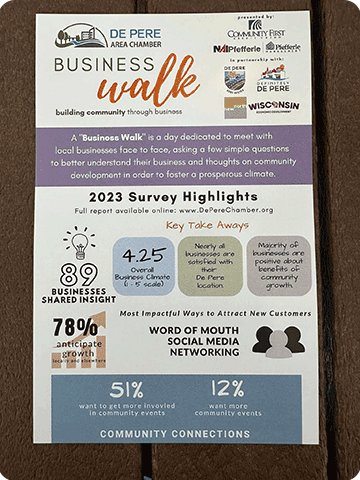
Asking a handful of strategic questions can help illustrate trends over time while also supporting strategic action.
The success of a retention survey depends on the thoughtful selection, wording, and ordering of questions. Before writing questions, determine what you need to learn, and what you are willing (and able) to act on. Do not ask about topics that you are not willing to address with action. Limit your questions to three to five themes that will generate useful responses. Collecting business cards from those you interview can save time by eliminating the need to ask for personal information. Consider including one or two questions that can be asked regularly for comparison over time (i.e., a business climate rating). Some common question themes:
- Identifying risk factors for business closure or relocation
- Understanding current business challenges
- Measuring satisfaction with organization services and local business climate
- Gathering input on events, promotions, or capital improvements
Order questions from least to most personal to help the interviewee become comfortable in the conversation before asking personal questions. If you have controversial topics to discuss, be sure to ask general questions about business climate and district perceptions before you get to sensitive topics to avoid influencing answers to other questions.
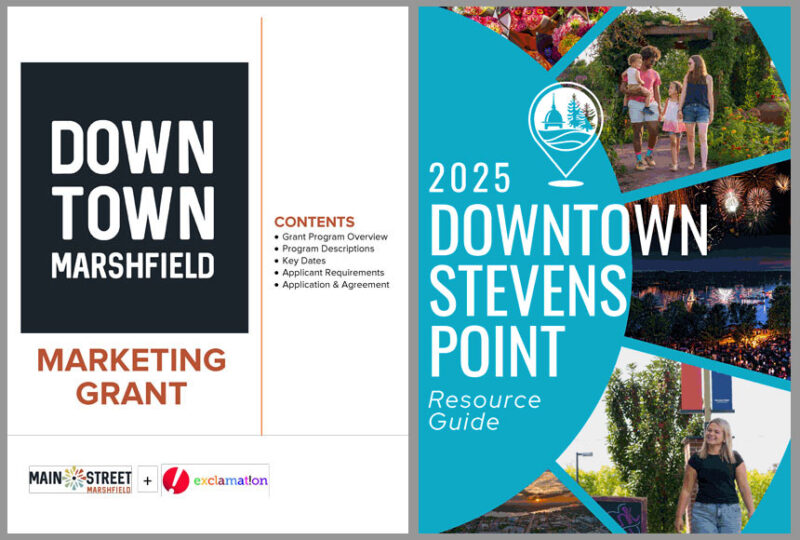
These two resources are examples of strategic action taken to respond to business needs in a specific district. Business guides or educational materials featuring relevant information and targeted incentives or assistance programs are two common outcomes of retention surveys. This type of action allows a district to demonstrate that they listened and responded to business feedback.
Post survey
It is important to demonstrate that you plan to act on the information gained in the survey. Post a thank you message on social media to your volunteers and businesses that took the time to participate. Make immediate referrals or personally follow up with any businesses that identified a specific challenge that they wanted to see addressed. Within a few weeks, tabulate responses to identify top trends, common challenges, and priorities, including considerations by sector or tenure of business. Share detailed results with your board and government partners and make a summary available to the business community.
The final step is to develop an action plan, either as part of an annual strategic planning process or as a standalone initiative. Translate key findings into concrete steps, which might include advocacy for improved regulatory processes or increased capital spending, initiatives to provide necessary training or resources desired by businesses, or other programmatic elements such as changed or expanded marketing, outreach, or networking that will address trends identified in the survey. Be sure to communicate these plans and identify the reason for these changes to reflect that they stem from direct business input.
Related Posts