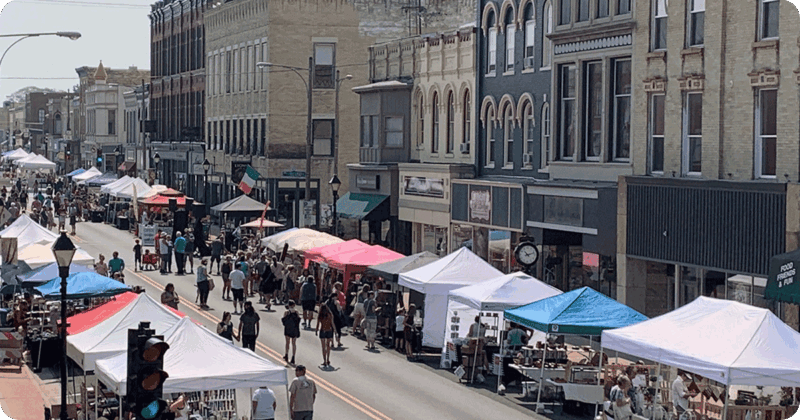
Downtown leaders walk the same streets every day. They pass the same storefronts, the same murals, the same riverfront views, the same event posters in shop windows. Over time, familiarity blurs the edges of what makes a place special. The very things that captivate visitors can become invisible to those who live among them.
Yet for someone visiting from outside the community, your downtown is full of details, surprises, and experiences waiting to be discovered.
That is why rethinking your visitor strategy begins with something simple. You must look again, intentionally, at what you already have. The most powerful visitor assets are often hiding in plain sight, overlooked not because they lack value but because the community has grown so accustomed to them. This tendency to overlook the obvious can weaken a destination’s sense of identity unless it is addressed directly, thoughtfully, and collaboratively.
Why asset inventories matter more than communities expect
Every meaningful visitor strategy begins with one question:
“What do we already have that could inspire someone to visit?”
This question seems easy, but most communities underestimate it. The process of answering it begins with an asset inventory that brings together diverse perspectives, including those of:
- Business owners
- Tourism and cultural leaders
- Historic organizations
- Outdoor recreation groups
- Economic and community development partners
- Event organizers
- Residents of varying ages and backgrounds
Different voices see different strengths. Someone new to your community may point out a striking mural, a scenic river bend, or a locally owned restaurant that longtime residents barely notice anymore. Meanwhile, industry partners may recognize opportunities tied to sports events, meeting spaces, workforce travel, or niche hobbies that are not traditionally considered tourism.
An asset inventory works best when:
- It is conducted more than once. Some communities do it annually, while others review assets by season.
- It reflects fresh eyes, not just local experts.
- It looks at the full community, not just typical visitor-facing sectors.
- It identifies both strengths and gaps, helping the community move toward a more complete picture of its identity.
The goal is simple: Understand what makes your community stand out and what experiences rise naturally to the top.
Case study: Jefferson
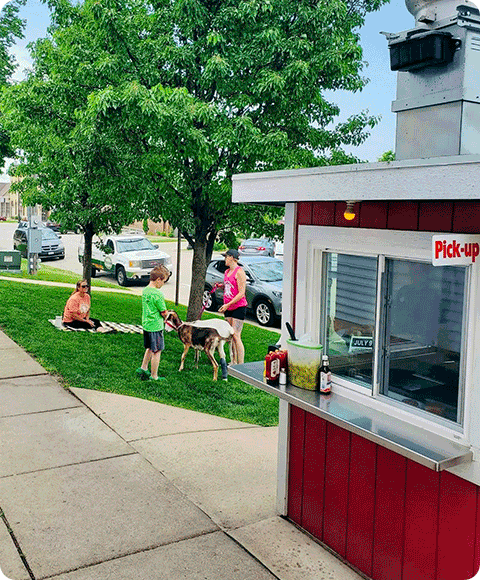 Jefferson’s recent asset inventory illustrates how revealing this process can be. Instead of limiting itself to traditional tourism categories, the community worked through a comprehensive assessment with Travel Wisconsin that uncovered experiences across the categories of events, culinary traditions, outdoor recreation, culture, and local quirks.
Some of the most distinctive assets identified included:
- Goat Fest, a playful event that speaks to community character
- Wedl’s Hamburger Stand & Ice Cream Parlor, a 125-year-old culinary icon
- The Wisco Chase rowing regatta, which recently attracted an Olympian
- The Wisconsin Sheep & Wool Festival and seasonal car shows
- Outdoor assets connected to the Glacial Heritage Area
- The local drive-in movie theater
- Native American mounds
- Downtown architectural features such as the historic arch
After listing everything, Jefferson used a structured toolkit provided by Travel Wisconsin to determine which experiences truly shaped the community’s identity. This process includes:
- Categorizing assets
- Evaluating uniqueness
- Determining competitive advantages
- Identifying the “next great thing”
- Conducting a light competitive analysis
- Mapping opportunities in a prioritization grid
- Documenting everything in templates and spreadsheets
Through this work, Jefferson discovered not just its assets but its personality. The inventory helped clarify what was special, what could be elevated, and how the community could present itself to visitors. The exercise strengthened internal alignment and helped Jefferson actively shape its destination identity instead of allowing others to define it.
Identifying your primary visitor assets
Once your assets are laid out in front of you, primary visitor strengths begin to emerge. These are the experiences that naturally rise to the top and differentiate your community. They often become the backbone of your marketing, storytelling, and destination development.
Primary assets are typically:
- Authentic to your community
- Memorable or iconic
- Competitive advantages
- Hard for neighboring towns to replicate
- Emotionally resonant to visitors
But primary does not always mean obvious. In fact, locals often overlook the very features that define their destination.
Case Study: Port Washington
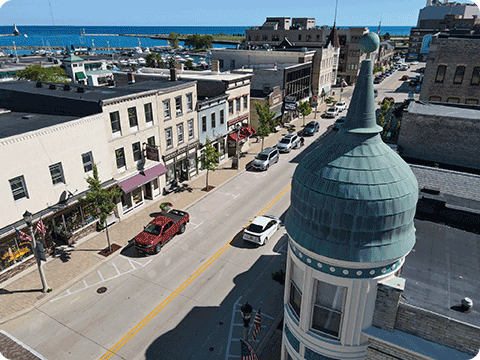 Port Washington’s destination assessment revealed that residents had grown used to their waterfront and downtown features, while visitors saw them as extraordinary. The assessment highlighted several standout assets:
- Lake Michigan views
- The historic lighthouse
- A scenic, walkable downtown
- The marina and commercial fishing heritage
- Waterfront parks and trails
- Iconic staircases that offer unique wellness appeal
Visitor and resident surveys aligned, showing that people were drawn to the city’s small-town charm, shoreline beauty, and historic atmosphere.
The assessment also revealed opportunities, including:
- Enhanced wayfinding to improve ease of navigation
- Better storytelling around fishing heritage
- Expanding boat tour offerings
- Growing arts and cultural programming
- Developing new events, such as Venetian Night, that celebrate the waterfront
Port Washington realized its identity was already strong. It simply needed to embrace and elevate the experiences people already loved.
Understanding the full spectrum of visitor assets
Communities often anchor their visitor strategy in traditional tourism categories such as:
- Lodging
- Restaurants and bars
- Retail shops
- Festivals and events
- Arts and culture
- Outdoor recreation
- History and heritage
These remain important, but they do not reflect the full picture.
Visitors are not just tourists. They are anyone who enters your community for a purpose other than daily life, including:
- Sports families attending tournaments
- Business travelers
- Medical visitors
- College visitors
- Spiritual tourists
- Wedding and reunion guests
- Hobby groups
- Trade show attendees
- People visiting friends and relatives
Each of these groups has different needs, behaviors, and spending patterns, and all contribute meaningfully to downtown vitality. Connect with your regional Tourism Development Specialist .
Expanding the definition of a visitor asset
To truly understand your community’s potential, you must look beyond traditional tourism to places and challenges that may not initially appear to be assets.
Floodplains, brownfields, aging industrial parcels, and awkward intersections are often seen as barriers—but these spaces can become defining visitor experiences when planned intentionally.
Floodplains as opportunity
Floodplain regulations such as Wisconsin NR 116 guide what communities can and cannot build. While floodways restrict certain development, flood fringe areas allow new construction that meets flood-compliant standards.
Communities have successfully used these zones to create:
- Riverwalks
- Open green spaces
- Event lawns
- Waterfront parks
- Fishing platforms
- Trails and bike paths
- Elevated mixed-use buildings
- Green infrastructure that doubles as public space
Flood resilience can coexist with strong placemaking and often supports it. Learn more about local floodplain areas .
Brownfields as catalysts for destination identity
Brownfields, abandoned or underused parcels with known or suspected contamination, may seem like liabilities. But with the right tools, they can become signature assets.
Communities can leverage:
- Wisconsin Assessment Monies for site assessment and investigation
- Ready for Reuse loans and grants for cleanup
- Federal Environmental Protection Agency (EPA) Brownfields Program grants for remediation
- WEDC Brownfield Site Assessment Grant and Idle Sites Redevelopment programs
- Technical assistance through the Wisconsin Department of Natural Resources’ Green Team partnerships.
These tools can help transform once-neglected land into parks, mixed-use districts, plazas, breweries, container villages, or event spaces.
- Wisconsin Assessment Monies for site assessment and investigation
- Ready for Reuse loans and grants for cleanup
- Federal Environmental Protection Agency (EPA) Brownfields Program grants for remediation
- WEDC Brownfield Site Assessment Grant and Idle Sites Redevelopment programs
- Technical assistance through the Wisconsin Department of Natural Resources’ Green Team partnerships
Case study: Altoona
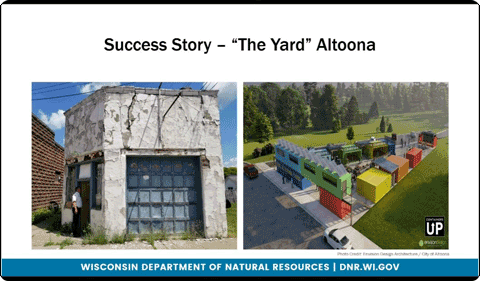 Altoona’s project known as the Yard transformed a brownfield into a lively destination built from repurposed shipping containers. The city used environmental assessment programs and creative design solutions to create:
- Food vendor stalls
- Small retail pop-ups
- Flexible outdoor gathering space
- A central lawn for events and music
- A structure made of shipping containers that allows modular expansion
The Yard Container Park is now a place where residents gather and where visitors experience Altoona’s contemporary, creative spirit. The project won national recognition from the EPA, demonstrating that deep challenges can fuel innovative destination development.
Resilience as a visitor strategy
Environmental constraints can become opportunities to protect and strengthen a downtown.
Case study: Darlington
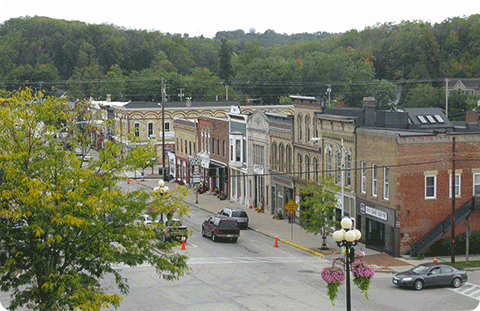 Darlington, repeatedly impacted by floods from the Pecatonica River, chose resilience over retreat. Through hazard mitigation grants and community coordination, the city:
- Elevated utilities
- Installed removable flood shields
- Reinforced storefronts
- Added flood-safe vestibules
- Converted vulnerable parcels into open space
A total of 19 buildings were upgraded, preserving both the downtown’s historic fabric and its economic function. Darlington’s work demonstrates how resilience planning strengthens the visitor experience by preserving the places people come to see.
Creating public spaces that support visitor experience
Some projects transform a downtown simply by reclaiming small but strategic spaces.
Case Study: Watertown
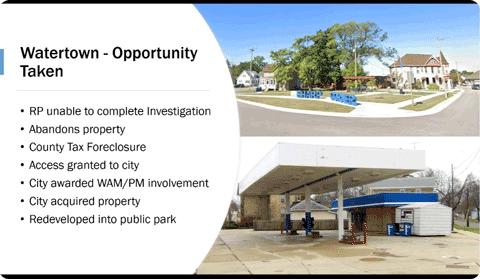 Watertown converted a brownfield at a busy intersection into Sharp Corner Park, a green, welcoming downtown destination. The project included:
- Environmental cleanup
- Traffic pattern improvements
- Streetscape upgrades
- A new plaza with seating and landscaping
- Space for community activities and small events
Supported by WEDC funding, the park has become a natural gathering point and a gateway into downtown.
Reimagining underused land through experience building
Underused riverfronts and industrial parcels can become magnets for visitors when reconnected to downtown life.
Case study: Chippewa Falls
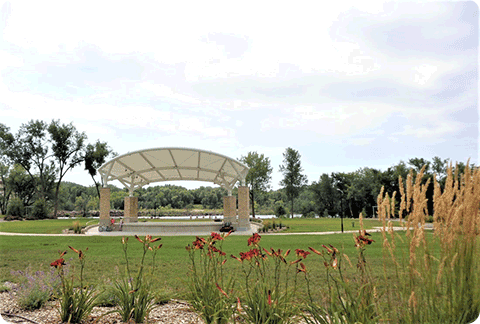 Chippewa Falls transformed a deteriorating riverfront into a multi-acre park with:
- River overlooks
- Fishing access
- Biking and walking trails
- An amphitheater
- Flexible open space
Designed with flood resilience in mind, the park brings people downtown for recreation, events, concerts, and everyday relaxation.
Turning discovery into strategy
Once an asset inventory is complete, the next step is translating insight into action. A structured toolkit helps communities:
- Document findings
- Create a unified understanding of identity
- Prioritize assets
- Conduct competitive analysis
- Map opportunities
- Identify emerging or developing assets
- Determine where investment will have the greatest impact
This moves the community from “what we have” to “what we can do with what we have.”
Why this matters for downtown organizations
A thriving downtown is built from intentional discovery, strategic planning, and the willingness to see familiar places with new eyes. By understanding both traditional and nontraditional visitor assets, your community can:
- Strengthen marketing and storytelling
- Support local businesses
- Create meaningful partnerships
- Guide redevelopment and design decisions
- Invite diverse visitor groups
- Build resilience into long-term planning
- Foster community pride
Visitors come for countless reasons, and each encounter contributes to the vibrancy of your downtown.
Your story already exists. It lives in your assets, your challenges, your creativity, and your character. When you take the time to see your community clearly, you can tell that story with confidence and create a visitor experience that feels authentic, welcoming, and unmistakably yours.
