
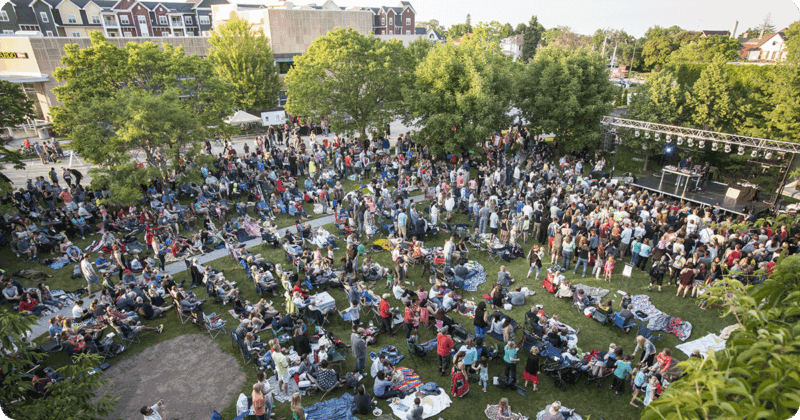
In today’s visually driven world, the story of your downtown is told long before someone sets foot on your sidewalks. Whether an entrepreneur is scouting business locations or a visitor is deciding on a weekend itinerary, compelling photos and videos drive first impressions. Visuals trigger mirror neurons in your brain to produce similar types of energy to match the visual cues it receives. Images that convey feelings will thereby associate those feelings with your place, making it more memorable. To ensure that your district’s online profile matches reality and reflects the experience visitors can expect to have, this month’s post features strategies to help identify, capture, and convey photo and video content to tell the story of your downtown.
Plan with the end in mind
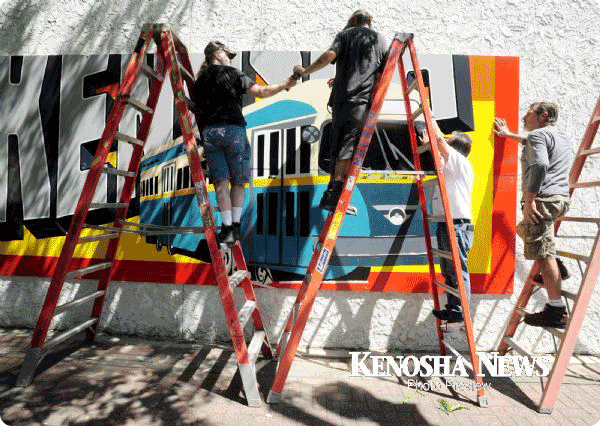
Make sure to capture behind-the-scenes images as well as the finished product. These action shots help tell the story of the people and effort behind your revitalization projects.
Before picking up a camera, ask yourself: What story are we telling? Entrepreneurs want to see vibrancy, opportunity, and foot traffic. Visitors want to feel atmosphere, energy, and authenticity. Develop a set of key attributes that you want to define your downtown (e.g., welcoming, friendly, colorful) and make sure every photo captures one or more of these elements. Then, think of content that you’ll need over the course of the year to tell your story. Start with the basics:
What: Capture images of buildings, businesses, landmarks, art pieces, selfie spots, parks, historic elements, and key events.
Who: Feature business owners, shoppers, residents, volunteers, pets, regulars, important guests, and event attendees. Try to get action shots wherever you can. If you have subjects who are shy or don’t like to be photographed, take photos of their hands in action–hands tell a story. As a rule, try to avoid taking photos of children’s faces, and get parents’ permission to use them if you do.
Where: Create a sense of place—routine sights (children going to school, morning dog walkers), seasons, weather, times of day/night.
How: Make sure to shoot behind-the-scenes content. Show the before, during, and after of property rehabs, event setup/takedown, etc. Make sure to include some photos/background of the staff and volunteers who are part of the organization—it makes your organization approachable and gives you credibility and authenticity by showing the people behind the stories.
For photos, if a visitor would take a picture of the sight or experience, it’s worth documenting as a story to provide more context.
Capturing quality content
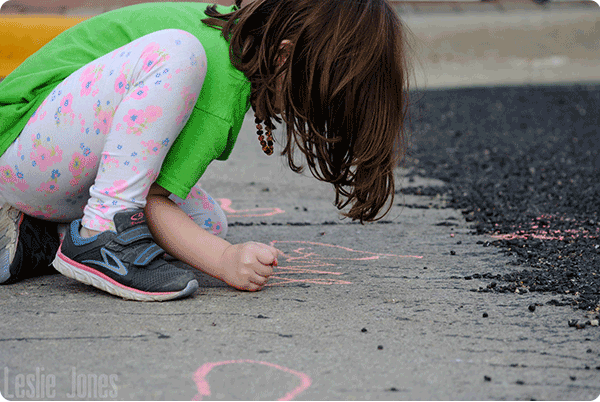
It’s a best practice to avoid featuring children’s faces in your images. As this image shows, you can convey the energy of childhood with side, rear or action shots.
Today’s phones are powerful tools, allowing you to take and edit high-quality images on the go. However, there are a few tips that will maximize these tools for the best documentary-style imagery.
For photography:
- Hold your phone horizontally—this format is perceived as most like reality.
- Use the focus feature to pick what you want to focus on. Otherwise, your phone will guess or make everything a little blurry.
- Exposure—pick what you want to see and adjust the light accordingly using the slider bar. Phones tend to err on the side of brightness, but contrast is more interesting.
- Perspective—take photos that are outside the normal perspective, i.e., from down low or up high. A novel perspective makes the brain pay attention.
- Negative space—if you plan to use photos for social media or brochures, make sure to take some photos with negative space to allow for text to be legible.
- Use your phone’s editing tools to improve clarity and visibility of images but be careful—the goal is to create timeless content, not trendy filters.
- Common editing tools within the photos app on your phone include:
- Crop—remove the extraneous elements.
- Straighten—level the horizon to be parallel to the bottom of the screen, tilt to adjust for doors or angled features.
- Contrast—helps deepen shadows to make images pop. Only make minimal adjustments – typically within 10 points on the scale, but you may want to increase contrast.
- Filters—the built-in filters in the photo editing app tend to be trendy, but can be used sparingly to remove the blue effect or make it warmer. Apply the filter, and then reduce the effect to 50 percent or less.
When capturing videos:
- Film video vertically, as most social media platforms use this orientation.
- Hook viewers in the first three to five seconds. Put your most compelling image, text, or audio up front to stop viewers from scrolling past your video.
- Keep videos under 60 seconds for social media, but don’t be afraid to make longer-form versions to tell a complete story.
- Use captions—many viewers watch without sound, and this also makes it accessible to hearing-impaired viewers.
- Focus each video on a single theme (e.g., “a day in downtown,” “meet the shop owner,” or “weekend vibes”).
A well-rounded visual library includes multiple types of shots. Try to include a mix of these to maximize viewer interest and serve various purposes:
- Talking heads lend a sense of authority and authenticity. Be sure there are gestures, or be walking while you talk to add action.
Consider short profile videos featuring business owners sharing why they chose your downtown, or volunteers sharing why they enjoy working with your organization. These testimonials can be especially powerful as marketing tools. Make sure to capture diverse perspectives. - Close-ups of products, details, or activities. This can be especially useful when you can also capture sound—brats sizzling, an instrument being played, etc. Using close-ups of hands in action is also a good strategy when your subject doesn’t want to be photographed.
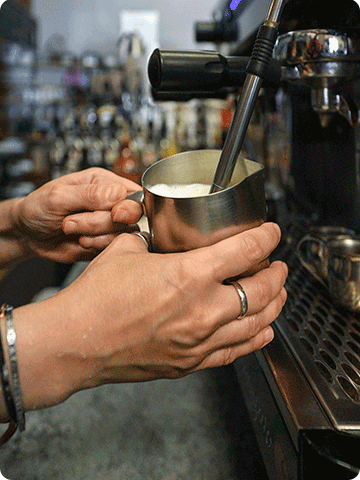
Capturing hands in action is a great way to make photo shy subjects feel more comfortable. In addition, they are more versatile, allowing photos to be used even if a particular staffer has moved on.
- Movement—action shots of people or activities. These can be event-related (dancing, pouring beer, popping popcorn) or just everyday activities, such as biking, walking, hugging, or shopping.
- Wide shots to show streetscapes and layout. Consider panning or zooming to add movement.
Build a consistent, organized visual library
Don’t wait until you “need” photos. Capture content year-round and organize it so it’s easy to deploy quickly.
Create folders or tags for:
- Seasons
- Events
- Business types (retail, dining, services)
- Audience (visitors vs. investors)
This allows you to quickly pull together targeted campaigns, whether you’re promoting a holiday event or pitching a space to a prospective business.
Final thoughts
Your downtown already has a story worth telling. The key is to capture it intentionally and share it consistently. By focusing on authenticity, showcasing your unique character, and building a versatile library of high-quality photos and videos, you can create a powerful visual narrative—one that draws in visitors, builds community pride, and convinces entrepreneurs that your downtown is the place to invest and grow.
Having quality images doesn’t just boost your district marketing, it increases the value of your organization as a partner. Providing your businesses with captured video helps boost their marketing, making your organization a partner in their success. Also, newspapers and tourism partners will rely on your organization for quality visuals to help them do their jobs, forging a stronger bond and ensuring that downtown is featured in partner marketing.
Related Posts